
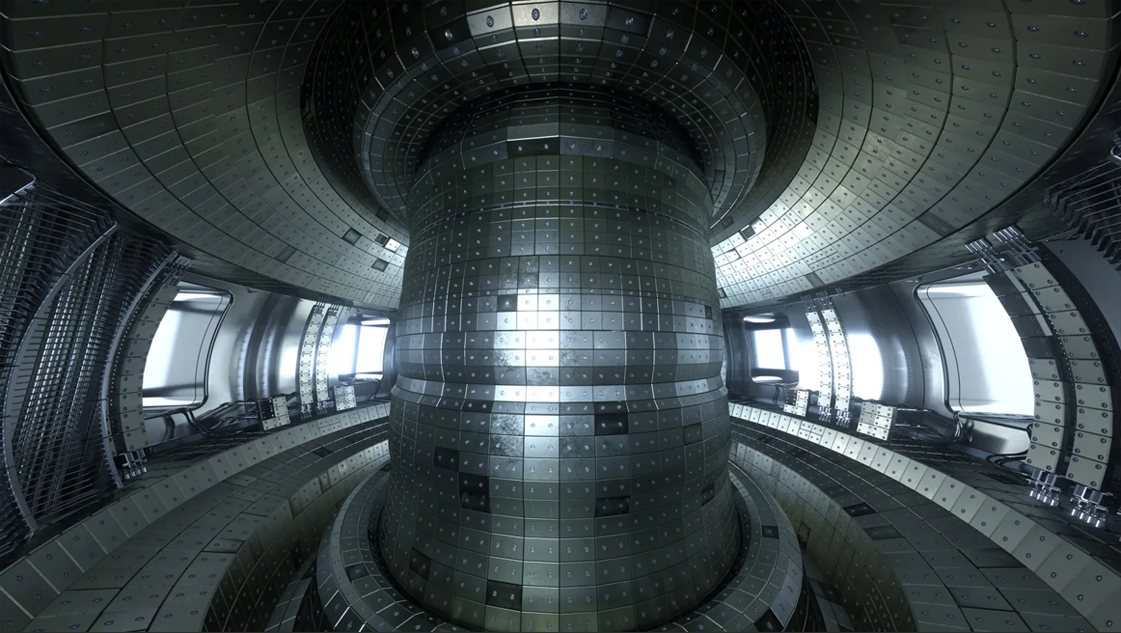
As a core fluid control component customized for the air separation and nuclear fusion industries, Koreyda's independently developed double offset butterfly valve is engineered to withstand the extreme and stringent operating conditions of these sectors. The air separation industry involves low-temperature rectification of air to produce gaseous/liquid oxygen, nitrogen, and argon, with media temperatures as low as -196℃ and high-pressure gas transmission demands, requiring valves to have excellent cryogenic resistance, zero-leakage sealing, and precise flow regulation. The nuclear fusion industry faces more rigorous challenges, including high temperature (up to 350℃), high pressure (up to 17.5MPa), radioactive media (such as tritium, deuterium), and long-term reliable operation requirements, where valve failure may lead to serious safety hazards and huge maintenance costs.
Get a Free QuoteDouble Offset Structural Design Advantages
The core advantage of Koreyda's double offset butterfly valve lies in its sophisticated double eccentric structure (axial and radial eccentricity), where the valve stem axis deviates from both the seat centerline and the butterfly plate center. This design achieves targeted performance upgrades for air separation and nuclear fusion scenarios, addressing extreme工况 challenges:
Cryogenic Stability & Wear Reduction: When opening, the butterfly plate quickly disengages from the seat, reducing sealing surface friction by over 70% compared to conventional valves. This avoids wear-induced leakage under frequent switching and prevents cryogenic brittleness damage to sealing pairs at -196℃, ensuring stable operation for over 25,000 cycles, which is critical for air separation low-temperature pipeline systems.
Water Hammer Mitigation & Low Torque Operation: The optimized eccentric structure increases the flow resistance coefficient at small openings and reduces instantaneous flow variation during closure, effectively mitigating the water hammer effect common in air separation high-pressure gas pipelines. The opening/closing torque is significantly reduced (electric actuation torque ≤380 N·m for DN600 valves), enabling stable operation under high pressure (PN100) and facilitating flexible drive even in radiation environments.
Bidirectional Sealing & Large Flow Adaptability: Adopting a bidirectional metal sealing structure, the valve is not restricted by medium flow direction, suitable for bidirectional medium transmission in nuclear fusion cooling loops. The streamlined truss-type butterfly plate design ensures large flow area and low flow resistance coefficient (≤0.12), meeting the high-flow gas transmission needs of air separation equipment while maintaining linear flow characteristics for precise regulation.
Sealing Performance & Maintenance Convenience
Sealing reliability is critical for avoiding cryogenic medium leakage (air separation) and radioactive contamination (nuclear fusion). Koreyda's double offset butterfly valve adopts a multi-level sealing structure: the main seal uses metal-to-metal or low-temperature adaptive elastic sealing, integrated with a bellows isolation component to block medium penetration. For nuclear fusion applications, the valve stem adopts a secondary packing seal with a leak detection pipe to monitor sealing integrity in real time, achieving zero leakage (meeting EN 12266-1 Rate A and nuclear grade leakage standards). For air separation, the seal automatically compensates for thermal expansion and contraction at -196℃~350℃, preventing cold leakage-induced frost damage.
Optimized for long-cycle operation, the valve features a welded body design with detachable seat for nuclear fusion scenarios, reducing leakage points while enabling on-site maintenance without disassembling the pipeline. For air separation equipment, the polished surface (Ra≤0.4μm) meets strict cleanliness requirements, avoiding oil and particle contamination of cryogenic media. The valve undergoes 1000-hour deep cold cycle testing before delivery to ensure no performance degradation under alternating temperature conditions.
Drive & Control Adaptability
To match the automated and high-reliability control needs of air separation and nuclear fusion production systems, Koreyda's double offset butterfly valve supports multi-drive modes with industry-specific upgrades:
Pneumatic Drive: Equipped with Ex d IIC T6 explosion-proof cylinders (suitable for air separation oxygen-rich environments), available in double-acting and spring-return types. The response time is ≤2 seconds, and it is equipped with a positioner to achieve precise flow regulation for air separation rectification processes.
Electric Drive: Configured with SIL3-certified radiation-resistant electric actuators, supporting on-off control, proportional adjustment, and real-time monitoring of torque, temperature, and leakage. Compatible with nuclear power plant DCS systems for remote control and predictive maintenance, ensuring stable operation in radiation environments.
Manual Drive: Equipped with a self-locking worm gear mechanism with a torque limiter for small-diameter auxiliary pipelines. The anti-misoperation design and radiation shielding cover adapt to nuclear fusion on-site operation requirements, preventing accidental opening/closing.
Technical Specifications & Application Scenarios
The valve complies with GB/T 12238, API 609, EN 593, and nuclear grade standards (RCC-M), optimized for air separation and nuclear fusion with key parameters:
Nominal Diameter: DN50 ~ DN2000mm
Nominal Pressure: PN16 ~ PN100bar (adapts to nuclear fusion high-pressure loops)
Medium Temperature: -196℃ ~ 350℃ (covers air separation cryogenic and nuclear fusion high-temperature conditions)
Connection Method: Welded, flange type (electrochemical polishing, Ra≤0.4μm)
Leakage Rate: EN 12266-1 Rate A; nuclear grade zero leakage (≤10⁻⁸Pa·m³/s)
Surface Treatment: Deep cold treatment, electrochemical polishing, radiation-resistant coating (for nuclear fusion)
Typical application scenarios include: air separation - low-temperature rectification towers, liquid oxygen/liquid nitrogen storage and transportation pipelines, high-purity argon transmission; nuclear fusion - primary/secondary cooling loops, tritium/deuterium handling systems, vacuum chamber isolation pipelines. It effectively mitigates cryogenic brittleness and water hammer risks, avoids radioactive leakage, and supports long-cycle stable operation of core equipment in both industries.
Listen to Koreyda
Get in Touch With Our Experts!Back to Top