
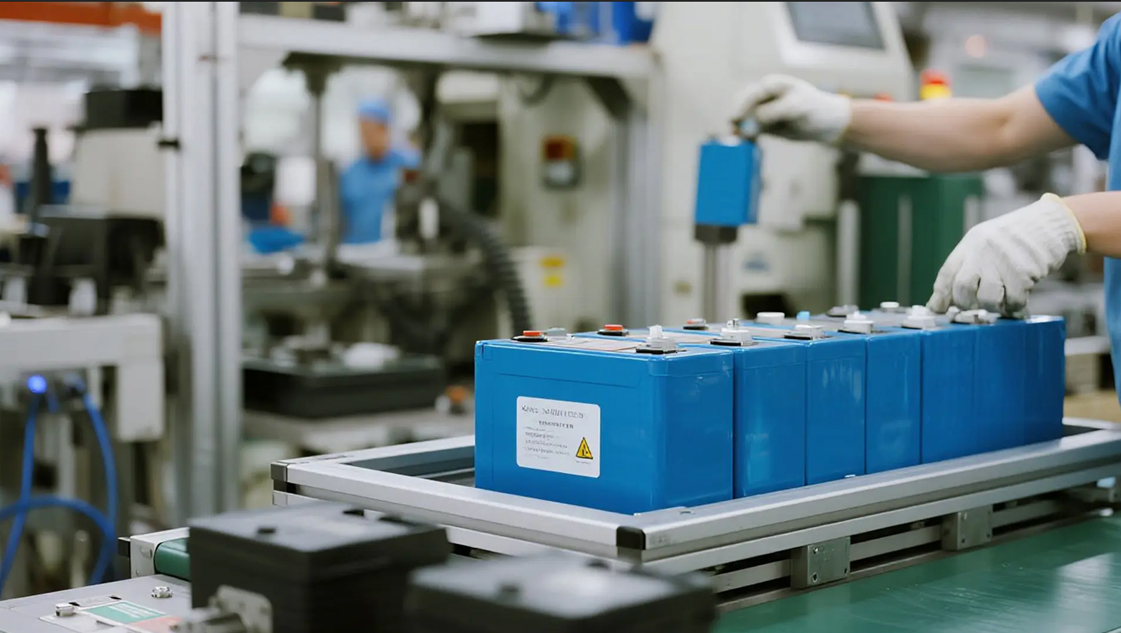
As a core fluid control component tailored for the lithium battery industry, Koreyda's independently developed and manufactured double offset butterfly valve is engineered to cope with the industry's stringent operating conditions—high purity requirements, strong corrosiveness of electrolytes, ultra-high vacuum environments, and precise flow control demands. Lithium battery production processes (including electrode slurry preparation, coating, electrolyte injection, and wastewater treatment) involve media such as lithium hexafluorophosphate (LiPF₆) electrolytes, organic solvents, high-temperature drying gas, and lithium-containing wastewater, which pose severe challenges to valve corrosion resistance, sealing performance, particle control, and safety.
Get a Free QuoteDouble Offset Structural Design Advantages
The core advantage of Koreyda's double offset butterfly valve lies in its sophisticated double eccentric structure, where the valve stem axis deviates from both the seat centerline and the butterfly plate center. This design achieves performance upgrades that perfectly match lithium battery production requirements, especially for high-precision, low-pollution, and high-stability scenarios:
Low Friction & Minimal Particle Generation: When the valve is opened, the butterfly plate quickly disengages from the seat, reducing sealing surface friction by over 70% compared to conventional butterfly valves. This minimizes wear and particle generation (particle size <10μm), avoiding contamination of electrode slurries and electrolytes—critical for maintaining battery cell consistency and cycle life.
Low Operating Torque & Vacuum Adaptability: The optimized force mechanism reduces opening/closing torque significantly (electric actuation torque ≤350 N·m for DN600 valves), enabling stable operation under ultra-high vacuum conditions (10⁻⁶Pa). It is compatible with vacuum-pumping systems in electrolyte injection processes, avoiding torque overload and ensuring airtightness.
Precise Flow Regulation: The streamlined butterfly plate and large flow channel design result in a flow resistance coefficient as low as 0.1, with an approximately linear flow characteristic curve. Flow fluctuation is controlled within ±0.35%, meeting the strict flow and pressure control requirements of electrode coating and electrolyte quantitative injection processes.
Sealing Performance & Maintenance Convenience
Sealing reliability is critical in lithium battery production to avoid electrolyte contamination, metal ion precipitation, and ultra-high vacuum leakage—key risks affecting battery energy density and safety. Koreyda's double offset butterfly valve adopts a vacuum-adaptable bidirectional elastic sealing structure, integrated with an elastic energizing ring and modified PTFE sealing components. This design automatically compensates for wear and temperature fluctuations (-60℃ to 150℃) to maintain stable sealing, achieving zero leakage under 10⁻⁶Pa ultra-high vacuum conditions, fully meeting electrolyte injection process requirements. The integrated O-ring seal between the seat and flange eliminates additional gaskets, reducing leakage points and particle accumulation.
Optimized for lithium battery clean workshops, the valve features a split-body design and detachable seat structure. The seat can be replaced on-site by removing the gland without disassembling the butterfly plate or valve stem, minimizing maintenance downtime and avoiding impurity introduction. The polished surface (Ra≤0.4μm) enables quick cleaning and restoration, complying with strict purity control standards.
Drive & Control Adaptability
To match the automated and high-precision control needs of lithium battery production lines, Koreyda's double offset butterfly valve supports multi-drive modes with intelligent upgrades:
Pneumatic Drive: Equipped with Ex d IIB T4 explosion-proof cylinders, available in double-acting and single-acting (spring return) types. Response time ≤1.5 seconds, suitable for fast switching in electrolyte transfer and nitrogen protection pipelines, avoiding medium volatilization and contamination.
Electric Drive: Configured with SIL3-certified intelligent electric actuators, supporting on-off control, high-precision proportional adjustment, and real-time monitoring of flow, pressure, and temperature. Compatible with workshop IoT systems for remote control and predictive maintenance, meeting electrode coating precision requirements.
Manual Drive: Equipped with self-locking worm gear mechanism for small-diameter additive delivery pipelines. Anti-misoperation locking device prevents accidental opening/closing, ensuring stable low-flow precision conveying.
Technical Specifications & Application Scenarios
The valve complies with GB/T 12238, API 609, and EN 593 standards, optimized for lithium battery production with key parameters:
Nominal Diameter: DN50 ~ DN1200mm
Nominal Pressure: PN6 ~ PN40bar
Medium Temperature: -60℃ ~ 150℃ (adapts to drying and cryogenic storage)
Connection Method: Wafer type, lug type, flange type (electrochemical polishing, Ra≤0.4μm)
Leakage Rate: 10⁻⁶Pa ultra-high vacuum zero leakage; EN 12266-1 Rate A
Surface Treatment: Electrochemical polishing, reducing particle adhesion and metal ion precipitation
Typical application scenarios include: electrode slurry preparation/delivery (preventing cross-contamination), coating/drying process gas/liquid control (±0.35% flow precision), electrolyte injection/encapsulation (ultra-high vacuum sealing), and lithium-containing wastewater treatment (corrosion resistance). It effectively ensures electrode consistency, avoids electrolyte contamination and safety hazards, and supports high-energy-density battery production.
Listen to Koreyda
Get in Touch With Our Experts!Back to Top